
Licensed Contractor • CSL #1149194
Dry Rot Repair
in Nevada & Placer Counties
By the time you can see dry rot, there's almost always more of it than you think. It spreads silently through framing, sheathing, and trim — and patching the surface without finding the source just delays a bigger repair bill. South Fork Home Services finds the full extent of the damage, fixes the moisture problem causing it, and rebuilds properly so it doesn't come back.
Serving Grass Valley · Nevada City · Penn Valley · Auburn · Lake Wildwood · Alta Sierra · Lake of the Pines
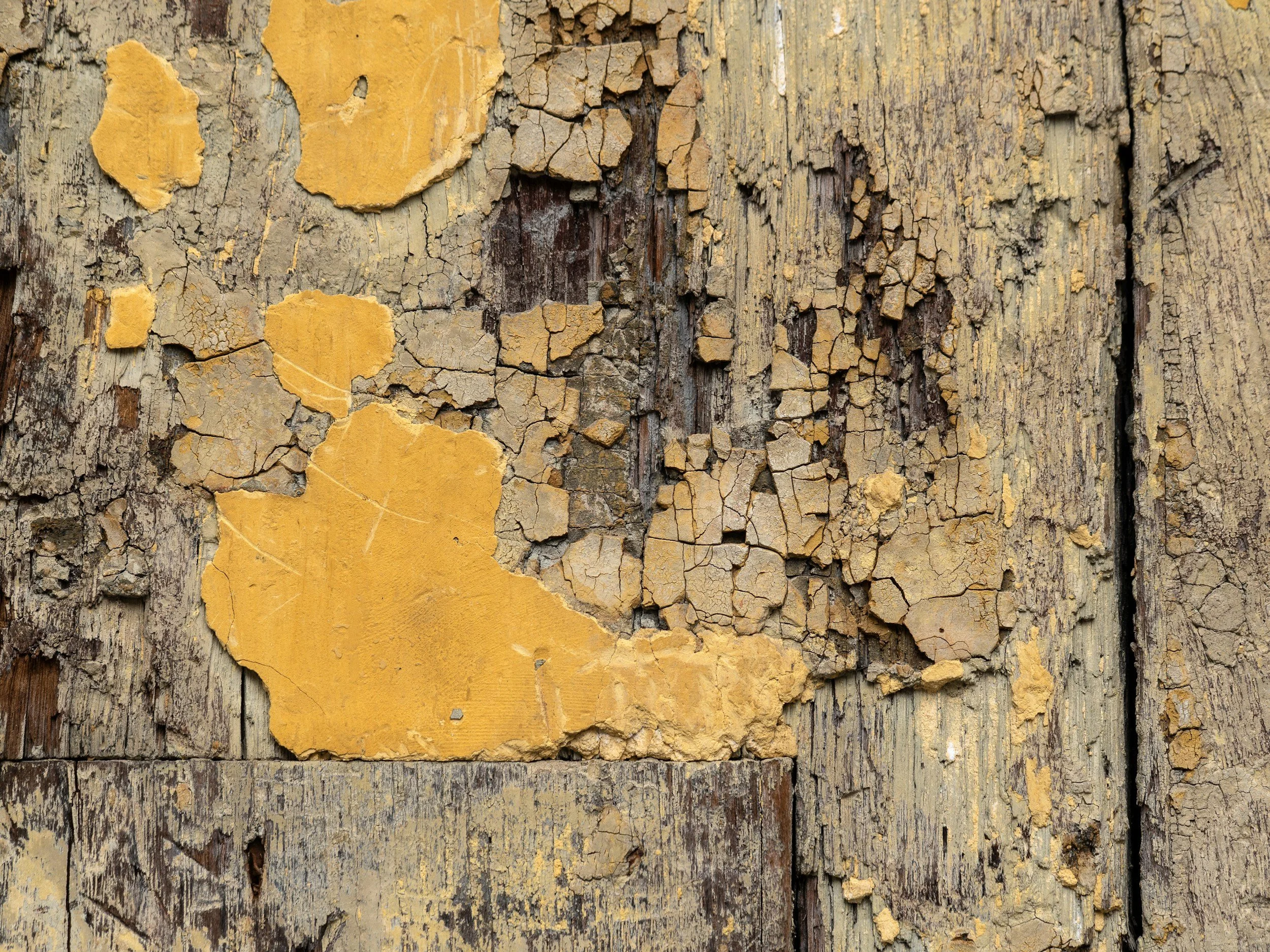
Dry rot doesn't always announce itself. By the time it's visually obvious the damage has often spread well beyond what's visible on the surface. Here's what to look for — especially on the north and shaded sides of your home where moisture lingers longest.
Signs you may have dry rot
Soft, spongy, or crumbling
wood on your exterior
Paint that bubbles, peels,
or won't adhere to trim
Discolored or darkened patches
on siding or fascia
Wood that looks intact
but dents easily when pressed
Visible fungal growth or musty
smell near exterior walls
Window or door frames that
feel soft at the corners
If you're seeing any of these signs, don't wait for the next rainy season to make it worse.
Dry rot spreads fastest when moisture returns — and what's a manageable repair now can become a structural issue by spring.
Why Nevada County homes are especially vulnerable
Dry rot is caused by a fungus that thrives in moist wood — and Nevada County's climate creates near-ideal conditions for it. Wet winters, heavy tree canopy that keeps siding shaded and damp, and a large stock of wood-framed homes built between the 1950s and 1980s with original siding and trim add up to one of the highest dry rot prevalence rates in Northern California.
Source-first diagnosis
We find what's letting moisture in before replacing wood — because new wood in a wet environment just becomes the next repair.
Licensed & insured
CSL #1149194. Structural repairs done right with full professional accountability.
No unnecessary upsell
We replace what's actually damaged and treat surrounding areas — not everything within reach.
Built to not come back
Every repair addresses the moisture source and protects surrounding wood so we're not back in two years doing it again.
The north and west-facing elevations of foothill homes are the most common places we find dry rot — they receive the least direct sun and stay damp the longest after rain. Fascia boards, window sills, door frames, and the bottom courses of wood siding are the highest-risk areas. South Fork Home Services has repaired dry rot on dozens of homes throughout Nevada and Placer Counties and knows exactly where to look, what to expect behind the surface, and how to fix it so it stays fixed.
Dry rot services we offer
From a single rotted fascia board to widespread structural damage behind the siding, we handle the full scope of dry rot repair — diagnosis, source correction, complete removal, and proper rebuild.
Fascia and soffit dry rot repair
Window and door frame rot replacement
Siding replacement due to rot damage
Moisture source correction and drainage fixes
Preventative treatment on surrounding areas of house
Dry rot inspection and damage assessment
Deck and porch dry rot repair
Noticed something soft or discolored on your exterior? Don't guess — we'll inspect it free and tell you exactly what you're dealing with.
Dry rot repair done right is a diagnosis project before it's a carpentry project. Skipping straight to replacement without finding the moisture source is the single biggest reason dry rot comes back — and we never skip that step.
Our dry rot repair process
1. Free in-home consultation
1. Free inspection and full damage assessment
Ryan visits your home, looks at the space, and talks through exactly what you want. No obligation - just an honest conversation about your project and what it will realistically take.
2. Clear scope & estimate
Before any wood is replaced, we identify what's letting moisture in — failed flashing, a compromised roof edge, improper grading, a missing drip cap, or a clogged gutter directing water into the wall. Replacing rotted wood without fixing the source is guaranteed to fail. We don't do that.
2. Moisture source identification
We put together a written plan covering the full scope of work, timeline, and cost - before anything starts. No vague ballparks.
Ryan inspects visible damage and probes surrounding areas to find the true extent. What looks like a single soft fascia board is often connected to damage that's spread behind the siding. You get an honest picture of everything affected before any decisions are made.
3. Written scope and estimate
3. Material selection
We walk you through your tile, fixture, and finish options so you can make confident choices that fit both your style and your budget.
Once we know the full extent of damage and the moisture source, we give you a written scope covering everything that needs replacing, treating, and correcting — with a firm cost before work begins.
4. Permits & approvals (when required)
4. Removal of all affected material
If your project requires permits - for plumbing changes, structural work, or electrical - we handle it. We know Nevada and Placer County building requirements inside and out.
5. Installation
We get to work. We keep the job site clean, stay on schedule, and keep you updated throughout the process.
5. Moisture correction and rebuild
6. Final walkthrough
When the work is done, we walk through the finished bathroom with you. If anything isn't exactly right, we take care of it before we leave.
6. Final walkthrough and preventative review
-
The most common signs are soft or spongy wood when pressed, paint that bubbles or peels repeatedly in the same spot, discolored or darkened patches on trim or siding, and wood that looks intact but crumbles when probed. Window sills, door frames, fascia boards, and the bottom courses of siding are the most common locations — especially on north and west-facing walls that stay shaded and damp the longest after rain.
-
It varies significantly based on how far the damage has spread. A localized fascia or trim repair might run $500–$2,000. Repairs that involve window or door framing, structural members, or multiple elevations of siding can run $3,000–$10,000 or more. The only way to give you an accurate number is to inspect the full extent of the damage in person — which we'll do for free.
-
In limited cases — where the rot is very early-stage and hasn't compromised the structural integrity of the wood — an epoxy consolidant and filler can be an appropriate repair. In most cases we encounter in foothill homes, where the rot has had multiple wet seasons to develop, full replacement is the more honest and durable solution. We'll tell you honestly which approach applies to your situation when we inspect it.
-
Structural dry rot involves load-bearing framing members — sill plates, rim joists, wall studs, or rafters. This is more serious than surface rot in trim or siding and requires a licensed contractor to assess and repair properly. If you're finding rot in areas below windows, at the base of exterior walls, or near the roofline, call us — those are the locations where structural involvement is most likely and where getting it wrong has real consequences.
-
Surface repairs to trim, fascia, and siding typically don't require a permit in Nevada or Placer County. Structural repairs — involving sill plates, rim joists, wall framing, or sheathing — may require one depending on the scope. We'll let you know upfront exactly what applies to your project and handle the full permit process if one is needed.
-
Yes. South Fork Home Services holds a California Contractor's License (CSL #1149194) and carries full general liability insurance. We're licensed to perform structural and finish work throughout Nevada and Placer Counties, and proof of insurance is available on request at any time.
All rotted wood is removed completely — not treated in place, not covered over. Fungal spores survive in seemingly solid adjacent wood, so we remove conservatively wide margins and inspect the substrate before rebuilding.
Frequently Asked Questions
-
The most common signs are soft or spongy wood when pressed, paint that bubbles or peels repeatedly in the same spot, discolored or darkened patches on trim or siding, and wood that looks intact but crumbles when probed. Window sills, door frames, fascia boards, and the bottom courses of siding are the most common locations — especially on north and west-facing walls that stay shaded and damp the longest after rain.
-
It varies significantly based on how far the damage has spread. A localized fascia or trim repair might run $500–$2,000. Repairs that involve window or door framing, structural members, or multiple elevations of siding can run $3,000–$10,000 or more. The only way to give you an accurate number is to inspect the full extent of the damage in person — which we'll do for free.
-
In limited cases — where the rot is very early-stage and hasn't compromised the structural integrity of the wood — an epoxy consolidant and filler can be an appropriate repair. In most cases we encounter in foothill homes, where the rot has had multiple wet seasons to develop, full replacement is the more honest and durable solution. We'll tell you honestly which approach applies to your situation when we inspect it.
We walk through the completed repair with you and point out any other areas showing early warning signs — so you're not surprised by the next repair before you've had a chance to plan for it. No pressure, just honest information.
-
Structural dry rot involves load-bearing framing members — sill plates, rim joists, wall studs, or rafters. This is more serious than surface rot in trim or siding and requires a licensed contractor to assess and repair properly. If you're finding rot in areas below windows, at the base of exterior walls, or near the roofline, call us — those are the locations where structural involvement is most likely and where getting it wrong has real consequences.
-
Surface repairs to trim, fascia, and siding typically don't require a permit in Nevada or Placer County. Structural repairs — involving sill plates, rim joists, wall framing, or sheathing — may require one depending on the scope. We'll let you know upfront exactly what applies to your project and handle the full permit process if one is needed.
-
Yes. South Fork Home Services holds a California Contractor's License (CSL #1149194) and carries full general liability insurance.
The moisture source is corrected first. Then new material goes in: properly treated lumber, fiber cement trim where appropriate, or matching wood profiles where appearance matters. Everything is primed and left paint-ready.
We get to work. We keep the job site clean, stay on schedule, and keep you updated throughout the process.
South Fork Home Services installs and replaces siding throughout Nevada and Placer Counties.
Areas we serve
Grass Valley
Nevada City
Penn Valley
Lake Wildwood
Alta Sierra
Auburn
Lake of the Pines
Don't wait for another rainy season to find out how far it's spread. Ryan will inspect your exterior, assess the full extent of the damage, and give you a straight answer on what needs to be done and what it will cost. Free inspection, no obligation.